Welcome to Steves Health Hub!
Here you will find the best tips to improve your health.
Steve's Blog
The Importance of Calcium as We Age
As we age, our bodies go through many changes. One of these changes is the gradual loss of bone density, which can lead to conditions such as osteoporosis. While calcium is an essential nutrient for building and maintaining strong bones, its importance becomes even more significant after the age of 40. In this blog article, we will discuss why calcium is crucial for adults over the age of 40 and how to ensure you are getting enough of this vital nutrient.
Why is calcium important after 40?
Calcium is a mineral that is essential for the development and maintenance of strong bones and teeth. Our bones reach their peak density around the age of 30, after which they gradually start to lose calcium. This natural process of bone loss is accelerated for both men and women after the age of 40, making calcium intake even more critical.
Not getting enough calcium in your diet can lead to a condition called osteoporosis, which causes bones to become weak and brittle. This can increase the risk of fractures, especially in the hips, spine, and wrists. Osteoporosis is often known as a "silent disease" because there are usually no symptoms until a fracture occurs. Therefore, it is crucial to prioritize calcium intake after the age of 40 to prevent this condition.
How much calcium do you need?
The National Institutes of Health recommends that adults over the age of 40 should consume 1,200 milligrams of calcium per day. This recommendation increases to 1,300 milligrams for women over 50 and men over 70. However, the average American only consumes about 600-700 milligrams of calcium per day, which is far below the recommended intake.
What are the best sources of calcium?
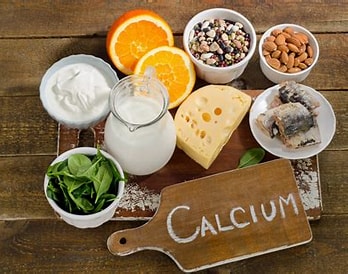
Calcium can be found in a variety of foods, including dairy products, leafy greens, and fortified foods. Dairy products are the most well-known source of calcium, with one cup of milk containing about 300 milligrams. Other dairy options such as yogurt and cheese also provide a significant amount of calcium.
For those who are lactose intolerant or follow a plant-based diet, there are plenty of non-dairy sources of calcium. Leafy greens like spinach, kale, and collard greens are excellent sources of calcium. Additionally, fortified foods such as orange juice, tofu, and cereals can also provide a good amount of calcium.
Supplements can also be an option for those who are unable to get enough calcium from their diet. However, it is best to consult with a healthcare professional before starting any new supplements.
Other factors to consider for calcium absorption
While calcium intake is crucial, there are other factors that can affect its absorption in the body. Vitamin D is essential for calcium absorption, so it is essential to get enough of this vitamin as well. Moderate sun exposure and foods like fatty fish, egg yolks, and fortified milk can provide vitamin D.
Additionally, certain substances can hinder calcium absorption, including caffeine, excessive alcohol, and high levels of sodium. It is essential to limit these substances or consume them in moderation to ensure optimal calcium absorption.
In conclusion, calcium plays a vital role in maintaining strong bones, especially after the age of 40. It is crucial to ensure you are getting enough calcium in your diet, whether through food or supplements, to prevent conditions like osteoporosis. By making small changes to your diet and lifestyle, you can ensure that you are taking care of your bones and overall health as you age.
The Top 5 Important Foods For Aging
As we age, our bodies go through natural changes that can affect our health and well-being. It becomes increasingly important to pay attention to our diet and make sure we are fueling our bodies with the right nutrients. Here are the top 5 healthiest foods for those over 40:
1. Leafy Greens
Leafy greens, such as kale, spinach, and collard greens, are packed with essential vitamins and minerals that are crucial for maintaining good health as we age. These vegetables are high in fiber, which helps keep our digestive system regular and can also aid in weight management. They also contain antioxidants that can help protect against cell damage and reduce the risk of chronic diseases such as heart disease and cancer.
2. Berries
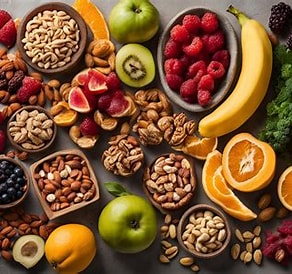
Berries, such as blueberries, strawberries, and raspberries, are not only delicious but also incredibly nutritious. They are high in antioxidants, which can help fight against inflammation and oxidative stress in the body. This is particularly important for those over 40, as chronic inflammation has been linked to various age-related diseases. Berries are also a great source of fiber and can help improve heart health.
3. Fatty Fish
Fish like salmon, tuna, and sardines are excellent sources of omega-3 fatty acids, which are essential for brain and heart health. As we age, our risk for cognitive decline and heart disease increases, making it crucial to consume foods that can help prevent these conditions. Omega-3s also have anti-inflammatory properties, which can benefit those with arthritis or other inflammatory conditions.
4. Nuts and Seeds
Nuts and seeds are a great source of healthy fats, protein, and essential vitamins and minerals. They are also high in antioxidants and can help reduce inflammation in the body. As we age, our bones become more fragile, and nuts and seeds are a rich source of calcium, magnesium, and phosphorus, which can help keep our bones strong.
5. Yogurt
Yogurt is a great source of probiotics, which are beneficial bacteria that can help improve gut health. As we age, our digestive system may become less efficient, leading to issues such as constipation and bloating. Consuming yogurt can help balance the gut microbiome and improve digestion. It is also a good source of calcium and vitamin D, which are essential for bone health.
In addition to incorporating these foods into your diet, it is important to maintain a well-balanced and varied diet. This includes consuming plenty of fruits, vegetables, whole grains, and lean proteins. Staying hydrated and limiting processed and high-sugar foods is also essential for overall health and well-being.
As we age, our bodies may require more attention and care, but with a healthy and nutritious diet, we can support our bodies and age gracefully. Incorporate these top 5 healthiest foods for those over 40 into your diet to promote optimal health and wellness.